Digital Printing Poised to ‘Mature’ in 2026
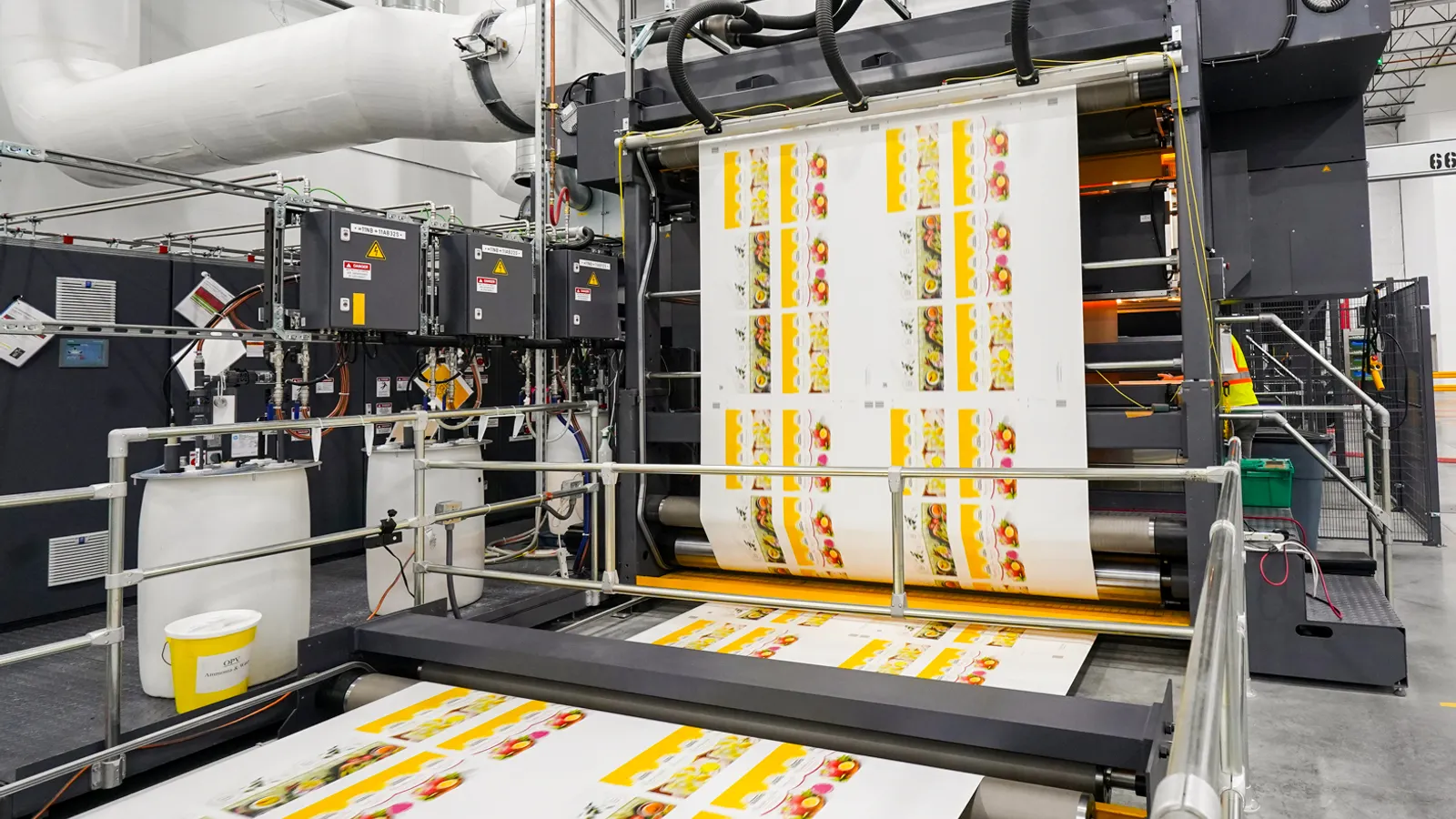
Digital printing for packaging is moving away from being seen as a standalone innovation and is entering a more mature, disciplined phase of adoption where it is treated as a core component of broader production environments. While the complexity of packaging previously slowed digital adoption compared to other industries, the sector has now moved past that curve, and 2026 is expected to be a notable year for its maturation as converters look for ways to do digital faster and better. Converters, having realized the benefits of digital printing in specialty applications like high-graphics corrugated work and labels, are now accelerating adoption into mainline production to build efficiencies, particularly through versioning to meet brand design demands. A visible shift toward brand-driven influence is also emerging, especially in corrugated and label sectors, as brands prioritize the faster turnaround times and flexibility of digital to get products to market quickly, even if costs are slightly higher. Furthermore, brands are focusing on digital printing as a more sustainable option than analog because it eliminates printing plates, which lowers waste and emissions. Artificial Intelligence (AI) will further advance this maturation, with brands using big data and AI for market predictions, targeted campaigns, and design, while converters will tie AI into the production side to monitor and improve the converting process. Finally, the role of software connectivity is crucial, as converters must establish and connect their digital systems to broader production software before they can fully use AI for faster scheduling and better overall efficiency.
soure:Internet



Contact Us




Copyright © 2023 apppexpo.com 保留所有权利 沪ICP备12019481号-1 |  沪公网安备31010102008440号